
Exploring the backcountry by vehicle is one of the most liberating ways to travel. Unlike traditional camping, which often limits you to developed sites, overlanding opens the door to remote wilderness, quiet trails, and ridgelines far away from the crowds. But when you’re traveling deep into the unknown, your choice of off-road camper makes all the difference in whether your trip is smooth and enjoyable—or a test of patience.
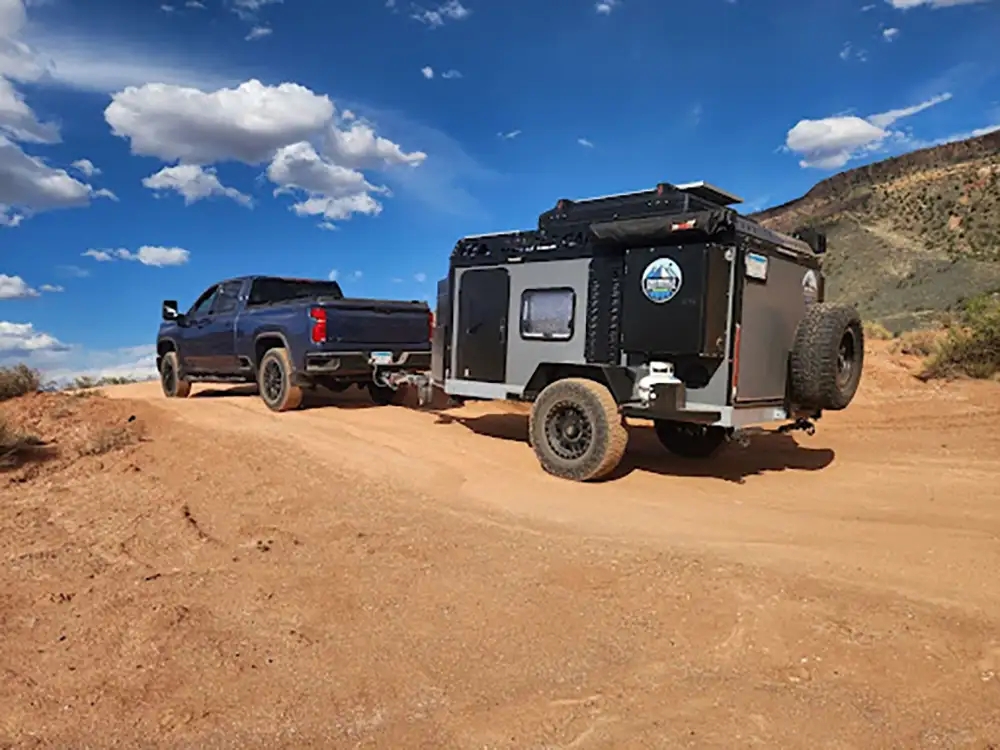
A quality off-road camper isn’t just a trailer to haul gear. It’s a carefully engineered tool for living and traveling in places that challenge both you and your equipment. That’s why buying one requires more thought than just looking at the price tag or exterior styling. The right camper will give you durability, reliable systems, and smart design so you can focus on adventure instead of worrying about what might break.
At Iron Peak Campers, every model is built with this philosophy in mind. From the compact and rugged XTR-6 to the more spacious and feature-packed XTR-10, these trailers show what’s possible when engineering meets real-world experience.
In this buying guide, we’ll break down the critical features to look for when shopping for an off-road camper—highlighting how our rigs set the benchmark for quality, reliability, and durability.
The first thing any buyer should evaluate in an off-road camper is how it’s built. Adventures take you off the pavement, where rocky paths, rutted trails, and harsh weather put real stress on every component. A flimsy build may look fine at a dealership, but once you’re deep in the backcountry, failure isn’t an option.
We prioritize durability with all-composite cabins that are both lightweight and incredibly tough. Unlike wood or cheaper laminates, composites resist rot, warping, and moisture damage. This is especially important if you plan on camping in damp forests, snowy terrain, or high-humidity environments. Paired with an all-steel chassis, the result is a foundation designed to take a beating without compromising performance.
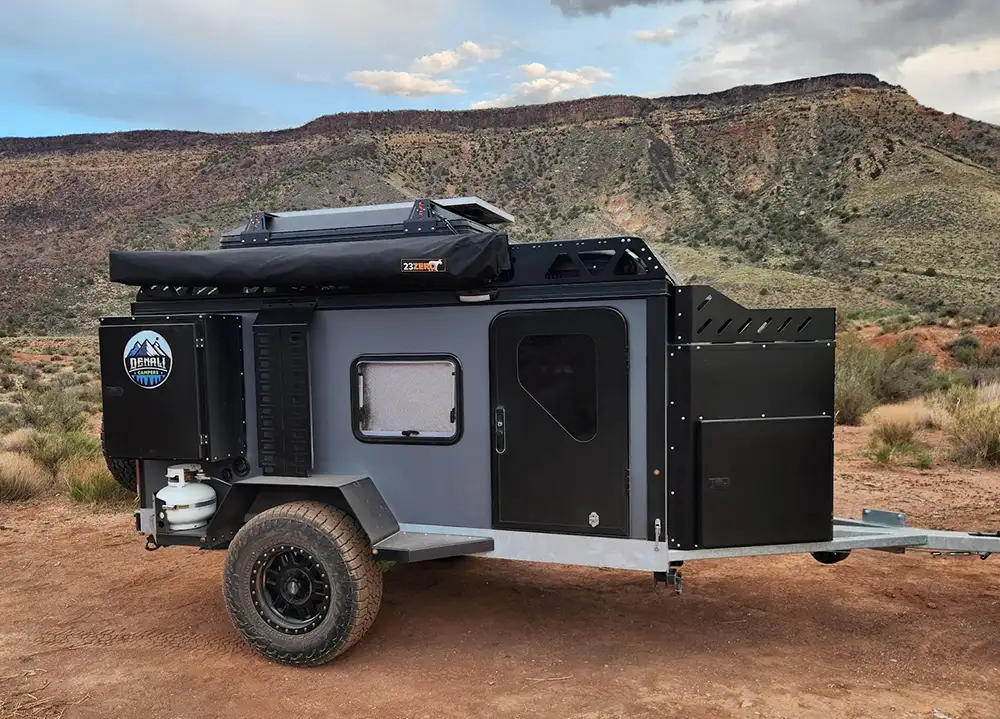
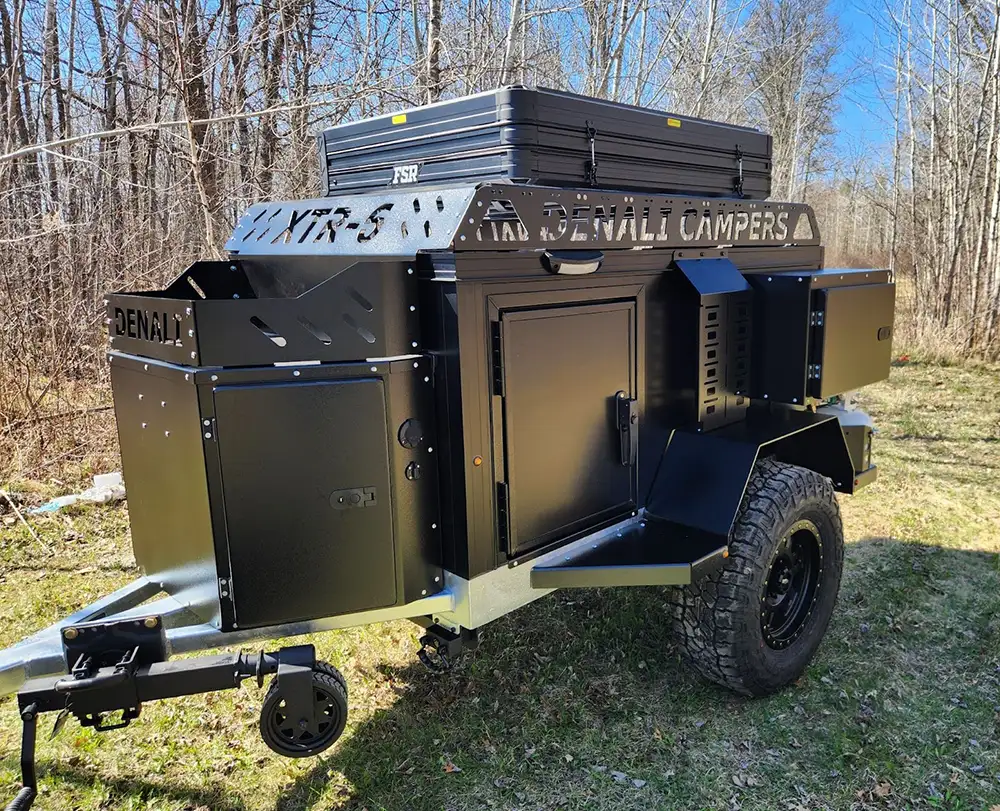
The XTR-6 represents this rugged approach. While compact, it’s engineered for gear-hauling strength with its steel chassis and aluminum roof rack system. The XTR-10 takes things further with an expanded insulated cabin, providing you and your travel companion protection from the elements while maintaining structural integrity. Walk-on fenders, powder-coated finishes, and reinforced components all demonstrate that Iron Peak doesn’t just build trailers—we engineer long-lasting companions for rough country travel.
When you’re evaluating other brands, ask what materials are used for the cabin, frame, and external hardware. Look for corrosion resistance, weather sealing, and design choices that prioritize longevity over cutting costs. A true off-road camper should feel as tough as the terrain it’s meant to handle.
Even the toughest shell won’t get you far if the suspension system isn’t up to the challenge. Off-road terrain introduces bumps, dips, and obstacles that can shake apart poorly designed trailers. That’s why suspension quality is one of the most important features to evaluate when buying an off-road camper.
We equip both the XTR-6 and XTR-10 with a Cruisemaster CRS2 suspension, paired with a DO35 hitch coupler. This combination provides smooth towing and exceptional articulation over uneven ground. The suspension absorbs much of the punishment before it reaches the camper, ensuring that your gear, kitchen setup, and electrical components remain safe and intact.
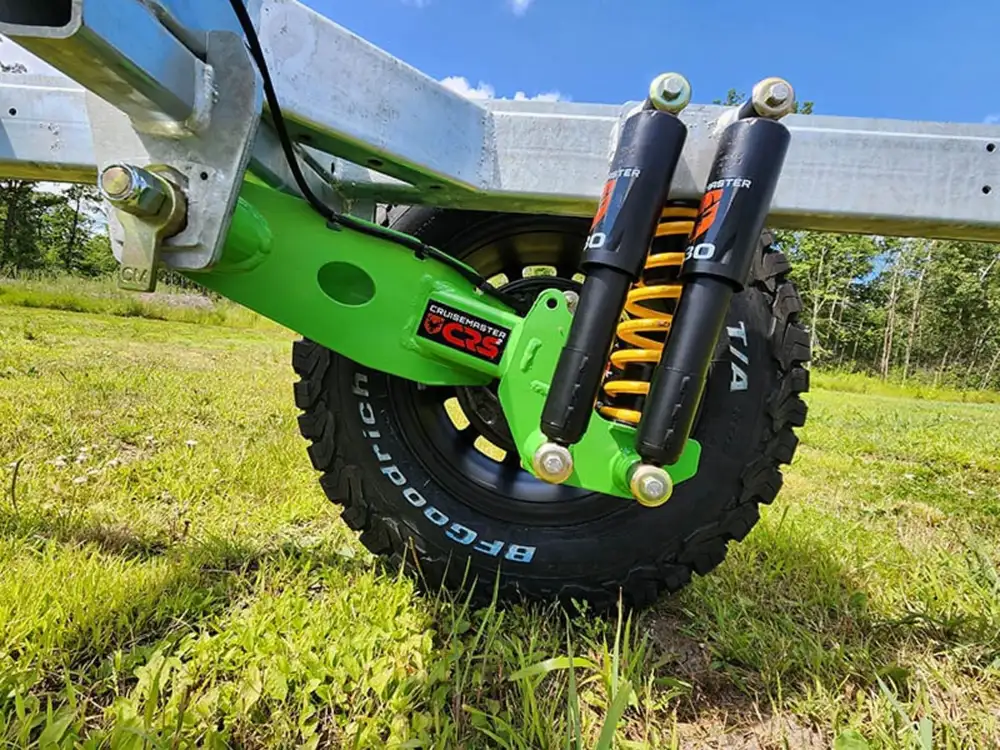
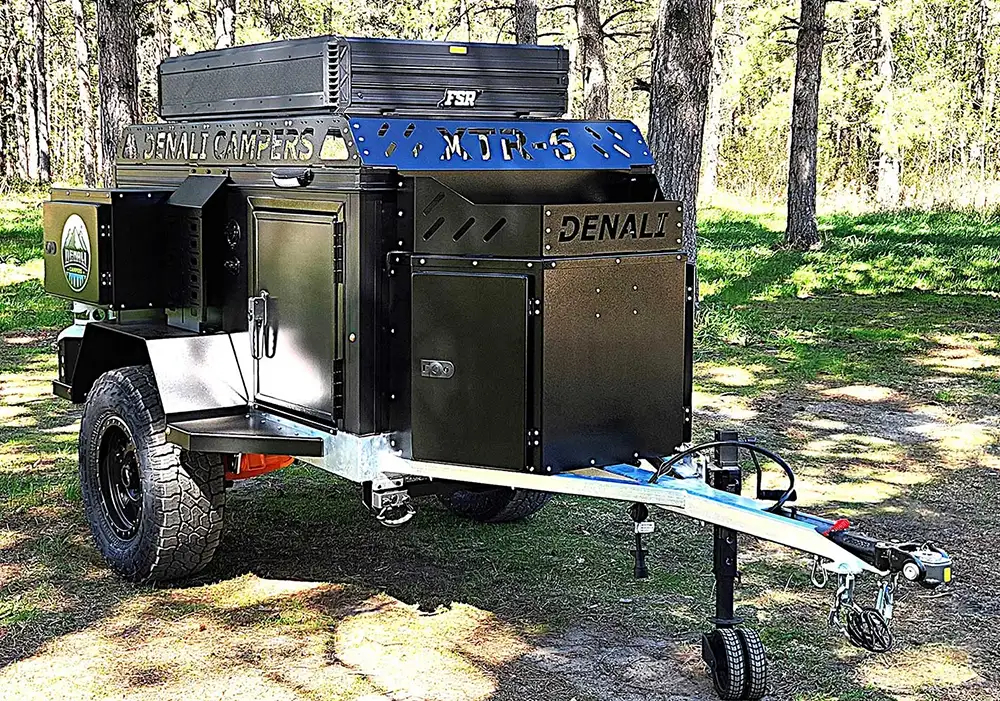
Ground clearance is another consideration. Both Iron Peak models offer 22 inches of clearance, which is more than enough to tackle rocky riverbeds, desert washes, and forest tracks without constantly worrying about dragging the underbody. High-quality shocks and a robust axle design further ensure you can travel beyond where most trailers dare to go.
When comparing options, you should pay attention not just to suspension branding but also to performance specs. Ask how the system handles washboard roads, sharp inclines, or heavy loads. If a camper isn’t designed to maintain stability in real off-road conditions, it isn’t truly an off-road camper.
One of the biggest appeals of an off-road camper is the ability to stay off-grid for extended periods. But that independence depends on having a reliable electrical system. Without dependable power, your fridge won’t run, lights will go dark, and charging devices becomes a constant struggle.
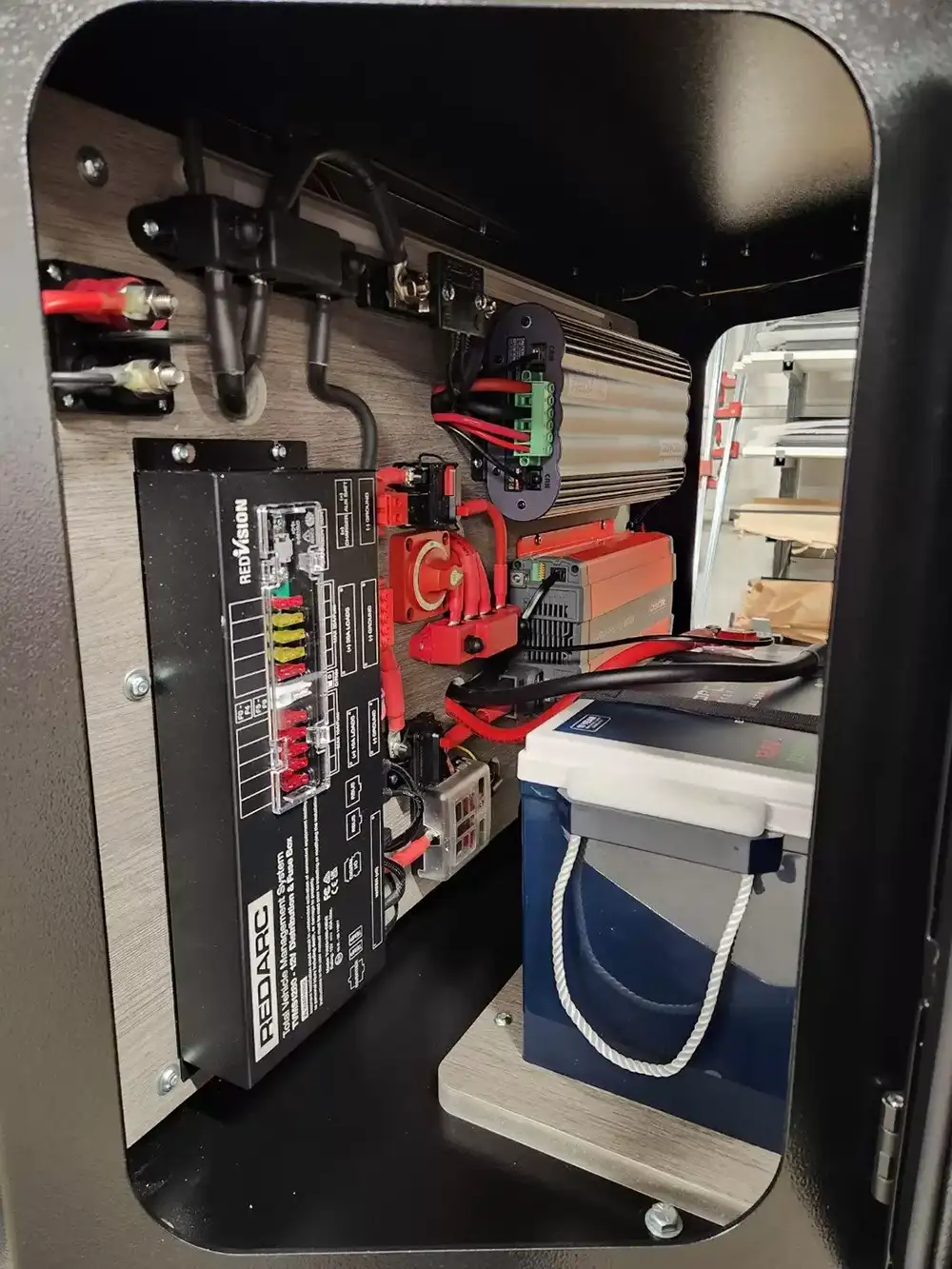
Iron Peak addresses this need with premium RedArc systems that set a high standard for off-grid power. Both the XTR-6 and XTR-10 come with 300AH heated lithium batteries, paired with smart inverters and monitoring systems. The RedArc Manager 30 in the XTR-6 serves as a solar regulator, battery charger, and isolator, providing seamless energy management in one unit. For the XTR-10, a RedArc 2000W inverter adds extra capacity for running more demanding appliances.
What makes these systems even more appealing is smart control. Bluetooth connectivity and the RedVision digital monitor let you check charge levels, adjust settings, and track performance from inside the cabin or from your phone. Paired with roof-mounted solar panels or portable solar options, these campers can generate sustainable energy for weeks of remote exploration.
If you’re shopping for an off-road camper elsewhere, dig into the details of the electrical setup. Lithium batteries outperform AGM options, and a well-integrated solar system makes the difference between worrying about power every night and confidently running your setup for days on end.
Comfort in the backcountry doesn’t just come from shelter; it comes from reliable access to water and a way to manage temperature. This is another area where buyers should carefully evaluate any off-road camper.
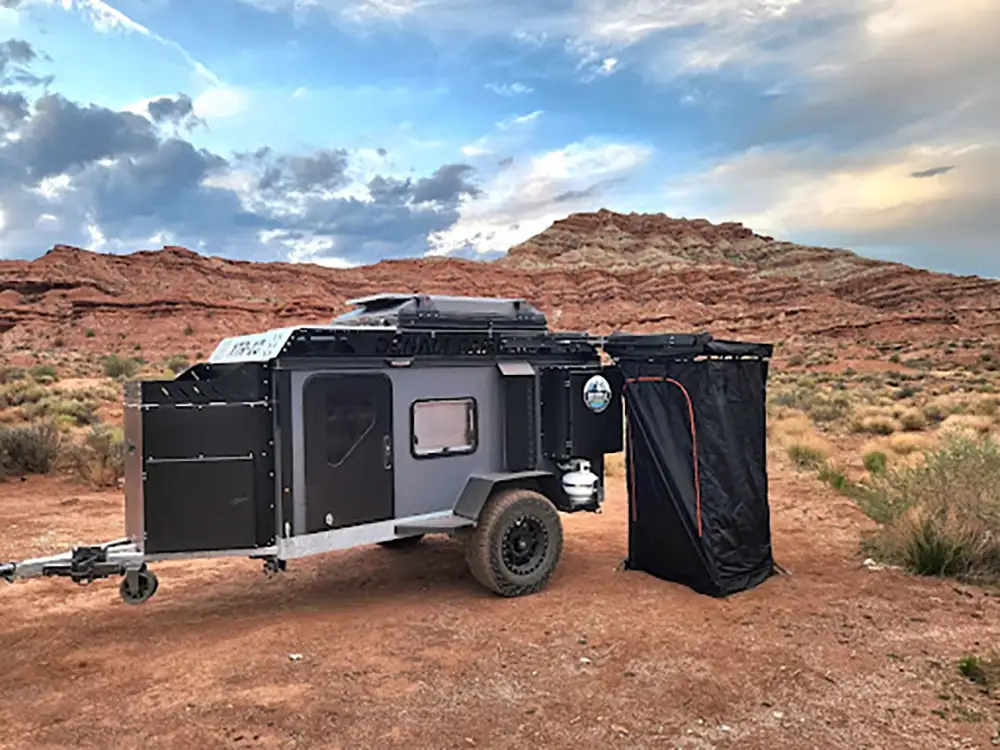
The XTR-6 comes with a 30-gallon water tank that supplies both the sink and an outdoor shower. For a compact gear-focused trailer, that’s a generous amount of water for cooking, cleaning, and staying fresh during multi-day trips. The XTR-10 takes it further with a 38-gallon capacity and the addition of a Truma Vario propane heater. That means not only hot water on demand but also interior climate control to keep the cabin warm on cold nights.
Outdoor showers may seem like a luxury, but after a long, dusty day on the trail, they become a necessity. The convenience of having hot water for both hygiene and cooking is one of those features you don’t truly appreciate until you need it.
For buyers like you, the key questions are water tank size, heating method, and whether the camper provides practical ways to use that water. Look for well-insulated systems, easy refill points, and reliable heaters. Comfort on the road isn’t about luxury; it’s about having the essentials covered so you can keep going further.
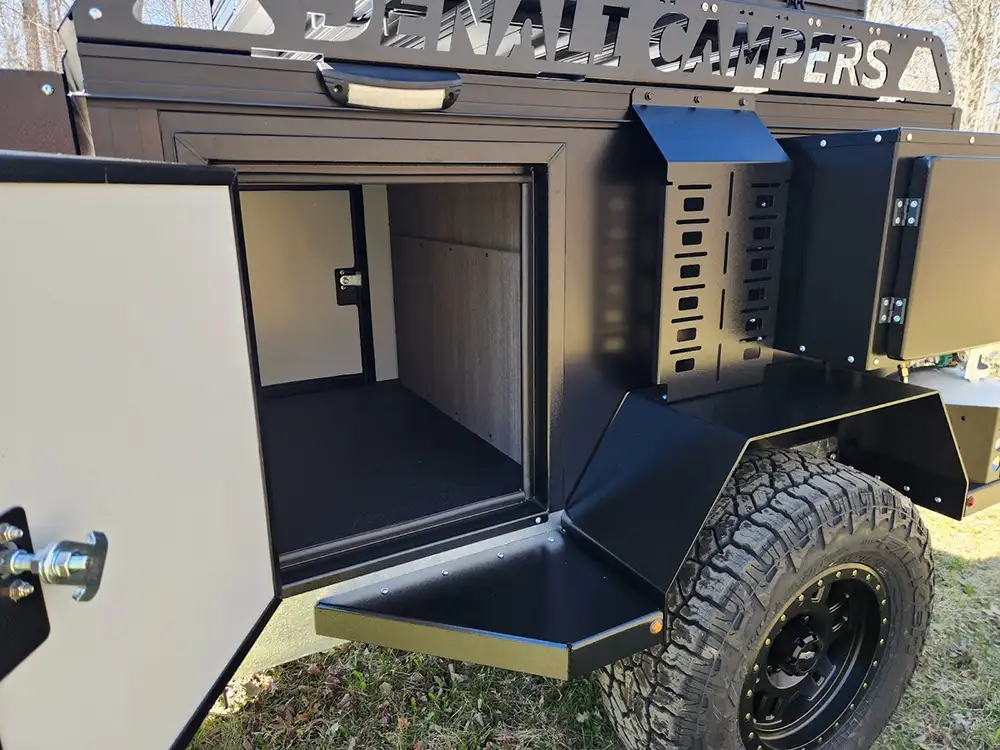
A major difference between a weekend camper and a true off-road camper lies in how storage is handled. Overlanding requires carrying tools, recovery gear, food, cooking supplies, and personal items, all while keeping them accessible and secure.
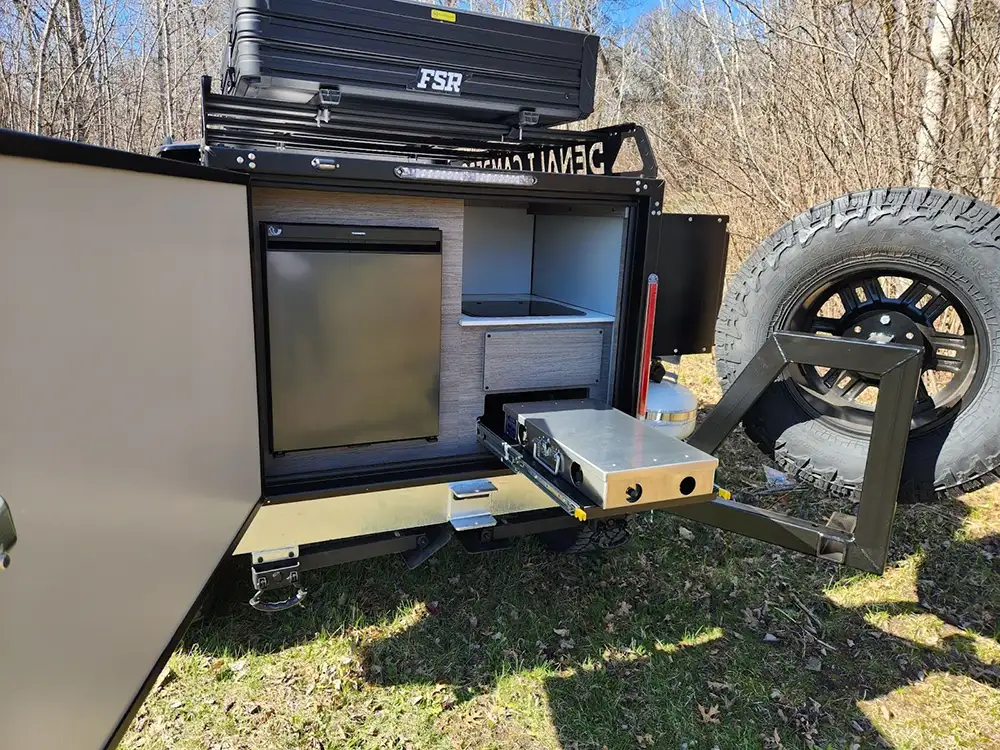
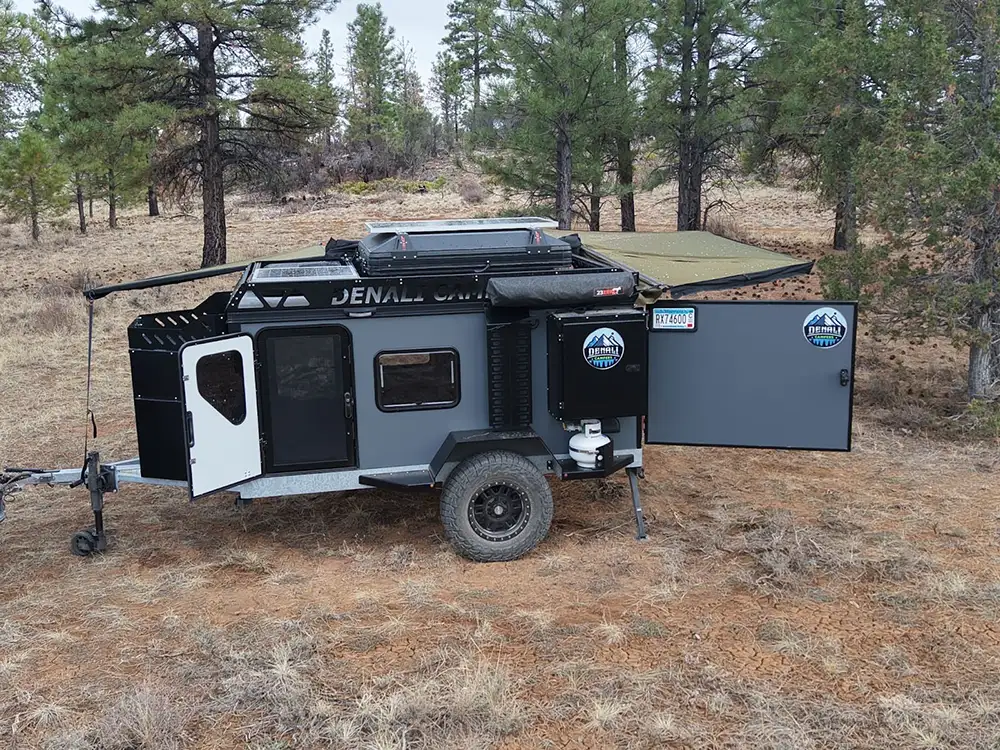
The XTR-6 is designed specifically for this purpose. While it doesn’t include an interior sleeping area, it shines as a gear hauler. With MOLLE side racks, a spacious aluminum roof rack, and a galley kitchen equipped with a dual-zone fridge and stainless sink, it provides everything you need to stay organized. LED lighting, aluminum walk-on fenders, and underbody rock lights add both convenience and utility.
The XTR-10 builds on this foundation with more interior capacity. Deep storage drawers, upright fridge placement, and aluminum storage boxes with adjustable shelving make it easier to pack for extended trips. It strikes a balance between hauling gear and providing more living space, making it an ideal choice for folks who want both.
When evaluating off-road campers, think about how much gear you need to bring and how you prefer to organize it. Roof racks, MOLLE panels, and modular drawers aren’t just extras; they’re critical for keeping your setup efficient and ready for whatever the trail throws at you.
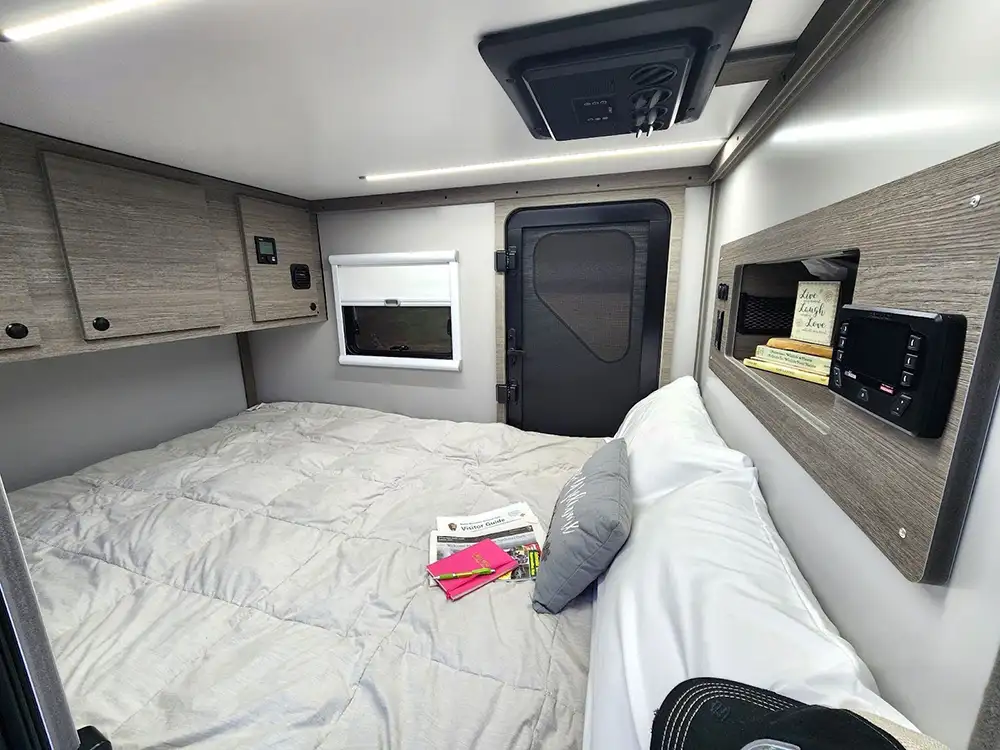
For many folks, an off-road camper isn’t just about hauling gear—it’s also about having a comfortable place to kick back at the end of the day. While ruggedness is essential, comfort shouldn’t be overlooked.
The XTR-10 offers an insulated cabin with 46 inches of headroom, making it practical for sleeping and lounging. A galley kitchen with an upright fridge, pull-out cooktop, and storage drawers adds the feel of a tiny home on wheels, without sacrificing the durability required for rough terrain. LED lighting and thoughtful layouts create a welcoming environment after a long day outside.
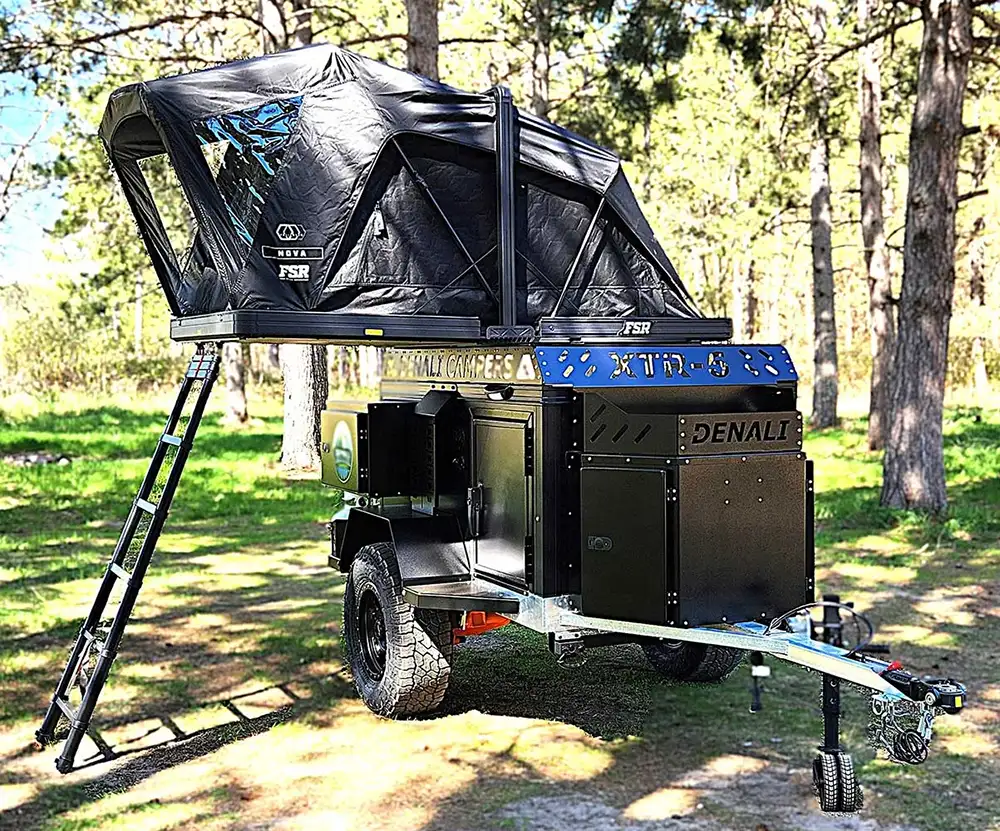
By contrast, the XTR-6 is purely storage-oriented. It’s perfect for adventurers who already have rooftop tents or prefer to sleep under the stars but want a trailer that keeps gear safe and organized. The lack of sleeping space isn’t a drawback for this design. Instead, it’s a purposeful choice for those who prioritize gear hauling over cabin living.
When shopping, consider your style of travel. If you value indoor comfort, look for a camper with an insulated cabin and smart galley setup as found in the XTR-10. If you’d rather sleep in a rooftop tent or simply need a rugged storage system, a smaller, gear-focused design like the XTR-6 may be the best fit for your needs.
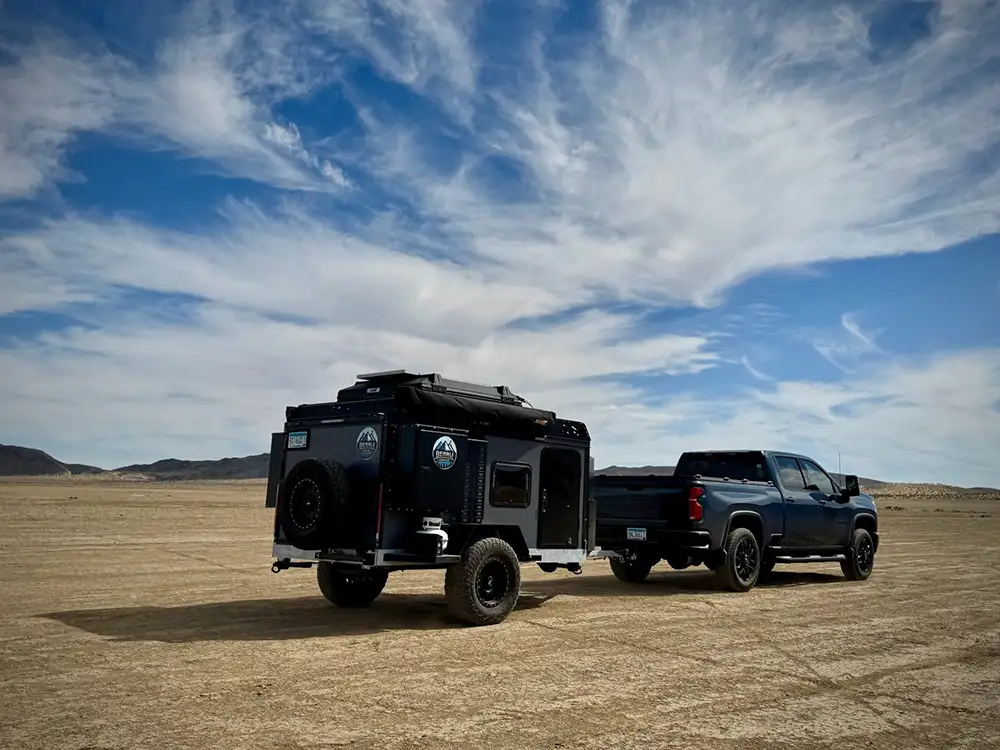
Buying an off-road camper is an investment in freedom. It’s not just about having a trailer to tow behind your vehicle; it’s about choosing the right tool for the way you want to travel. Durability, suspension, power, water management, storage, and comfort all play vital roles in ensuring your trailer can handle whatever path you take.
Our rigs demonstrate how these elements come together in the XTR-6 and XTR-10. The XTR-6 shines as a compact, rugged gear hauler built for people who prioritize storage and efficiency. The XTR-10, with its larger cabin and expanded amenities, is ideal if you’re seeking more comfort on extended journeys. Both share the same DNA of innovation, quality, and adventure-ready design.
When you’re evaluating your own options, think carefully about how you plan to travel, how much gear you need to bring, and what level of comfort matters most. A well-chosen off-road camper will expand your possibilities, giving you the confidence to go farther, stay longer, and experience the wilderness on your terms.
Of course, we’re here to help! Whether it’s answering questions about our specific trailer models, getting advice on customizations, or simply shooting the breeze about all things off-roading, we’d love to chat.