
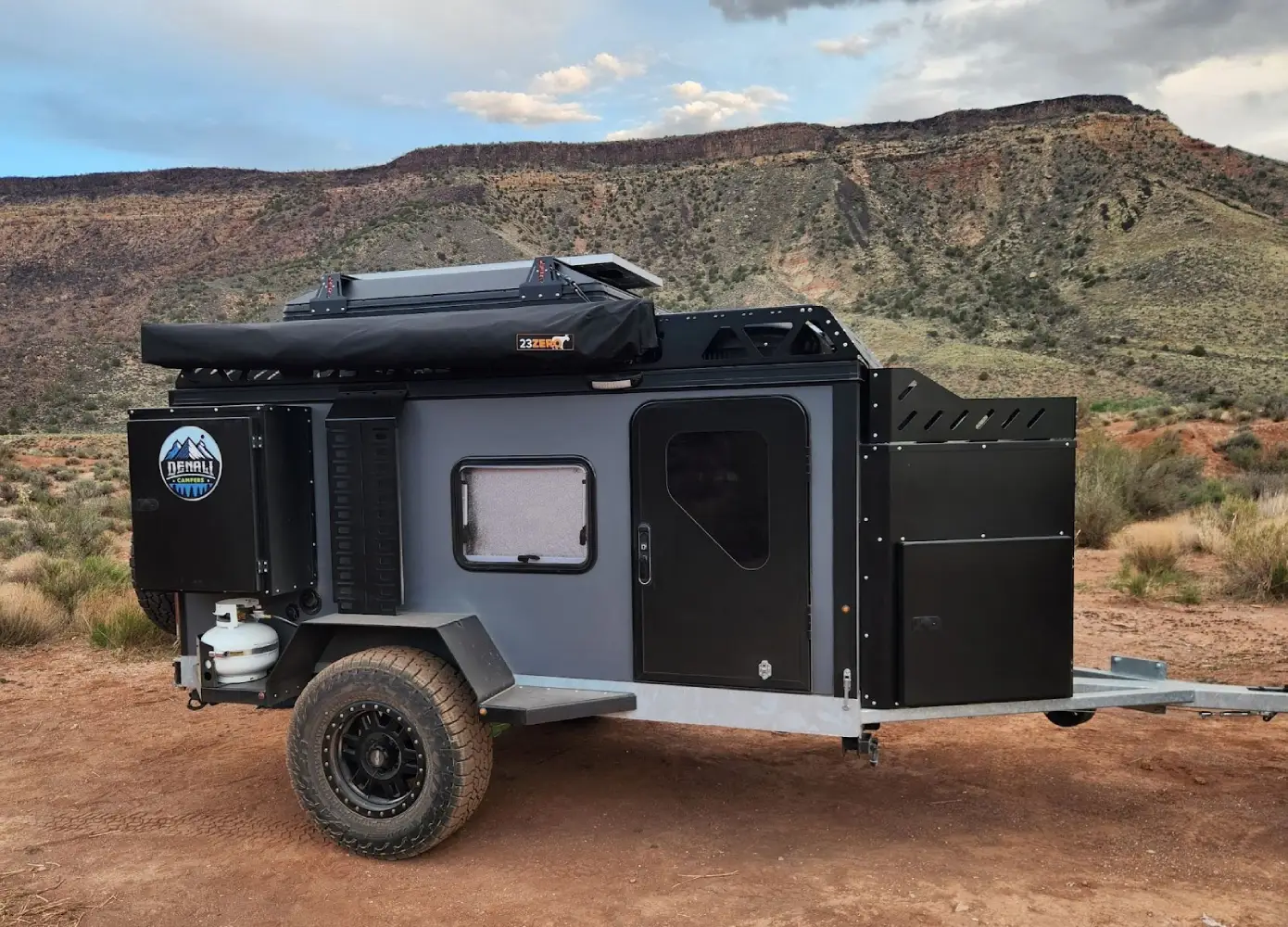
There's something magical about unhitching your overland trailer at a remote campsite, knowing you've brought all the comforts of home to places where cell towers fear to tread.
For Iron Peak Campers XTR-10 owners, the question isn't whether your square drop can handle the backcountry. With 22 inches of ground clearance, independent suspension, and bombproof construction, it absolutely can. The real question is this: Which incredible overland trails will you conquer first?
Overlanding with a trailer transforms the entire experience. Your XTR-10's queen-size bed, full galley, and 300Ah lithium power system mean you can thrive in the wilderness; not just survive. But, of course, with great capability comes the need for greater planning.
These seven trails represent the best off road camper destinations across America. Each offers unique challenges and rewards if you’re prepared!
The legendary Mojave Road stretches 137 miles across California's Eastern Mojave Desert, following wagon routes that connected military forts in the 1860s. This isn't your typical weekend backcountry trailer run, either. It's a genuine expedition requiring serious preparation and experience.
Here's the reality: Most sources specifically warn against taking trailers on the Mojave Road. Soft sand sections, water crossings up to 1.5 feet deep at Afton Canyon, and narrow passages between vegetation make this extremely challenging for any trailer. However, specialized overland trailer companies have successfully traversed this route with the right equipment and expertise.
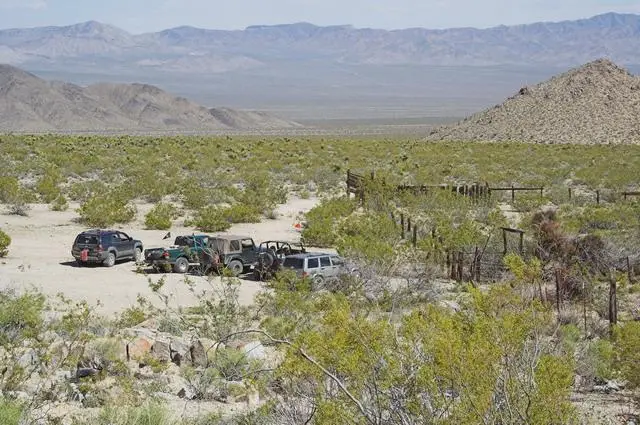
If you're determined to attempt this iconic crossing with your XTR-10, plan for three days minimum and carry extra fuel for the entire 215-mile journey without services. The historic springs every 20-30 miles provide water sources, but filtration is essential. Camp at traditional fire rings only; dispersed camping requires a California Campfire Permit, and Stage II restrictions are often in effect.
The rewards are substantial, though. Fort Piute ruins, the famous Mojave mailbox, and some of the most pristine dark skies in the country await you. But this trail demands absolute self-sufficiency and advanced recovery skills. Consider it a graduate-level course in trailer overlanding.
The Colorado BDR stands out as one of the most trailer-friendly routes in our lineup, spanning 745 miles from Four Corners to the Wyoming border. Unlike some backcountry overland trails that punish your rig, the COBDR was designed for accessibility while maintaining authentic adventure.
Trail characteristics favor trailers. The route utilizes maintained forest service roads and double-track paths, with 90% rated as "Subaru-grade" terrain.
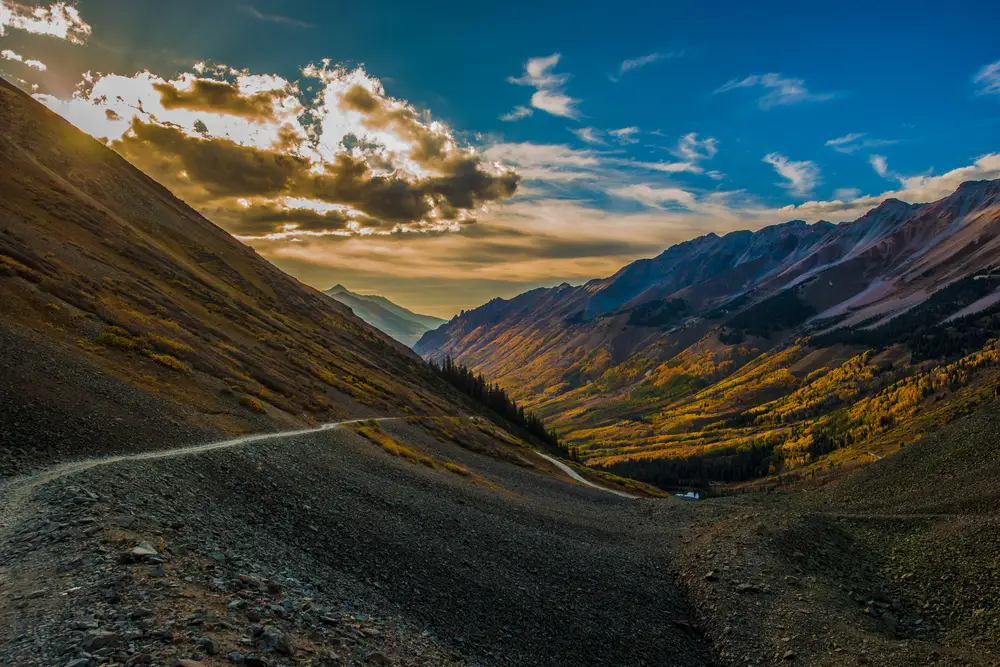
High-altitude considerations require serious planning, though. You'll cross multiple passes over 12,000 feet, including Ophir Pass (shown above), the most challenging section for trailers.
Your XTR-10's R9 insulation and Truma heating system become essential at these elevations where temperatures can drop dramatically, even in summer.
The longest fuel stretch runs 121 miles between Gypsum and Steamboat Springs, well within most towing setups' range. Water is available in towns along the route, but carry two days' supply for remote sections. Dispersed camping opportunities abound on national forest lands, with established campgrounds providing backup options.
July through September offers optimal conditions, with spectacular wildflowers in early summer and stunning fall colors in September. This route delivers authentic Colorado high country experiences while remaining accessible to properly equipped overland trailers.
Canyonlands National Park's White Rim Trail offers 100 miles of spectacular desert scenery, but it's not for the faint of heart, especially with a trailer in tow. The good news for XTR-10 owners is that your trailer's height easily clears the 10-foot maximum restriction that eliminates many larger rigs.
The challenging reality is that the Trail's famous switchbacks, like Murphy's Hogback and Hardscrabble Hill, create serious obstacles for trailer navigation. These sections are narrow, steep, and unforgiving. Success requires advanced 4WD skills and extensive experience with trailer maneuvering in tight spaces.
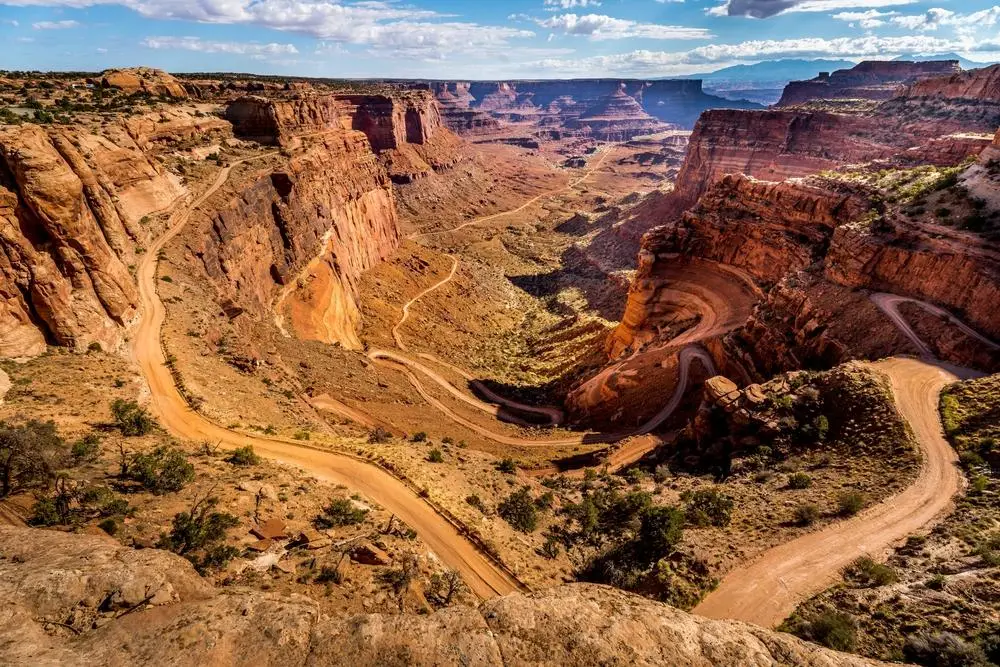
Permits are absolutely essential and extremely competitive. Overnight permits cost $36 plus $5 per person per night, and you'll need to book six months in advance for spring and fall dates. The 20 designated campsites offer vault toilets but no water—bring a minimum of one gallon per person per day.
White Crack campsite provides the most spectacular views but accommodates only one group. Gooseberry offers two sites and serves as an excellent midpoint location. Cell service is nearly nonexistent, so plan for complete self-sufficiency and carry emergency communication equipment.
This trail represents the pinnacle of desert off road camper experiences, but only attempt it after gaining significant experience on easier terrain.
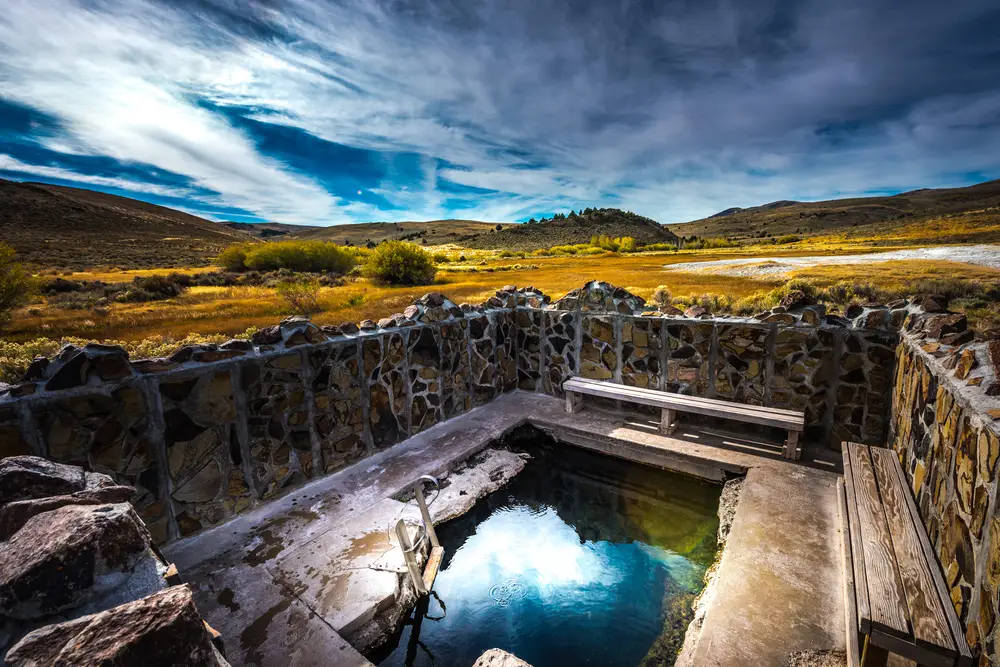
The Oregon BDR presents 750 miles of incredibly diverse terrain, from high desert to ancient forests to volcanic peaks. This route challenges drivers more than some other BDRs, but remains accessible to determined trailer enthusiasts with proper preparation.
Terrain varies dramatically across seven sections. Southern portions traverse lava rocks and silt, while northern sections wind through the Cascade Range. The route thoughtfully bypasses the most technical obstacles, though optional challenging sections exist for those seeking additional adventure.
Hart Mountain National Antelope Refuge and Warner Wetlands provide unique wildlife viewing opportunities rarely accessible to off road camper enthusiasts.
Multiple hot springs along the route offer perfect relaxation after challenging driving days, though fire restrictions often limit camping in these areas.
Water management becomes critical due to long stretches between reliable sources. Your XTR-10's 38-gallon water capacity provides substantial range, but plan refill points carefully. Fields, Oregon offers the primary resupply opportunity for the southern sections.
July through September provides optimal conditions, avoiding extreme heat in desert sections and snow in mountain passes. Satellite communication devices are strongly recommended due to limited cell coverage throughout much of the route. The volcanic landscapes and diverse ecosystems make this one of America's most geologically fascinating backcountry overland trails.
The Trans America Trail offers unparalleled flexibility for overland trailer enthusiasts, with 4,253 miles of documented routes crossing the entire continent. Creator Sam Correro designed the TAT specifically for vehicle access, making it exceptionally trailer-friendly compared to other transcontinental routes.
Colorado and Wyoming segments provide ideal trailer experiences without committing to the full coast-to-coast journey. These sections utilize primarily public roads and maintained tracks, with 95% accessible to stock 4WD vehicles according to the creator. This makes it perfect for XTR-10 owners seeking authentic overland experiences without extreme technical challenges.
The unique motel support system allows flexible trip planning.
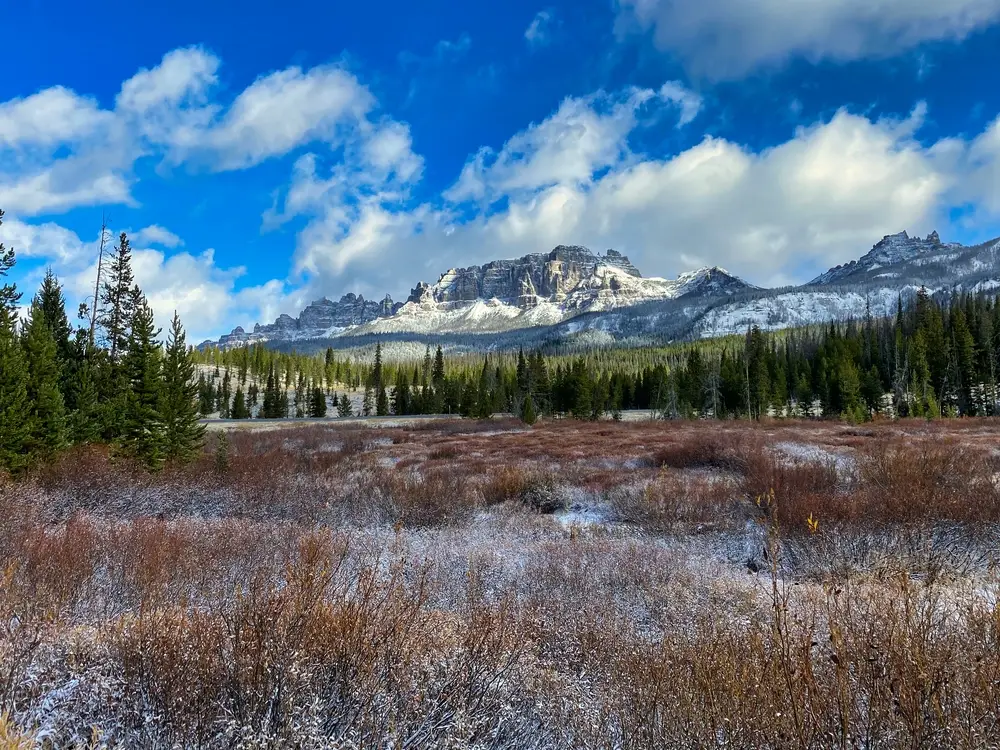
You can choose full camping mode, motel-supported travel, or mix both options based on weather and preferences. This flexibility particularly benefits trailer users facing unexpected weather or mechanical issues.
Route updates happen regularly, ensuring current information about road conditions and accessibility. The TAT community provides extensive support through online forums and local contacts, creating a safety net for remote travel situations.
Colorado segments shine from May through October, while Wyoming portions offer optimal conditions June through September (later than that, and they’re covered with snow, as shown above). No special permits are required since the route uses exclusively public roads. This represents the most accessible option for newcomers to off road camper adventures while maintaining authentic overland character.
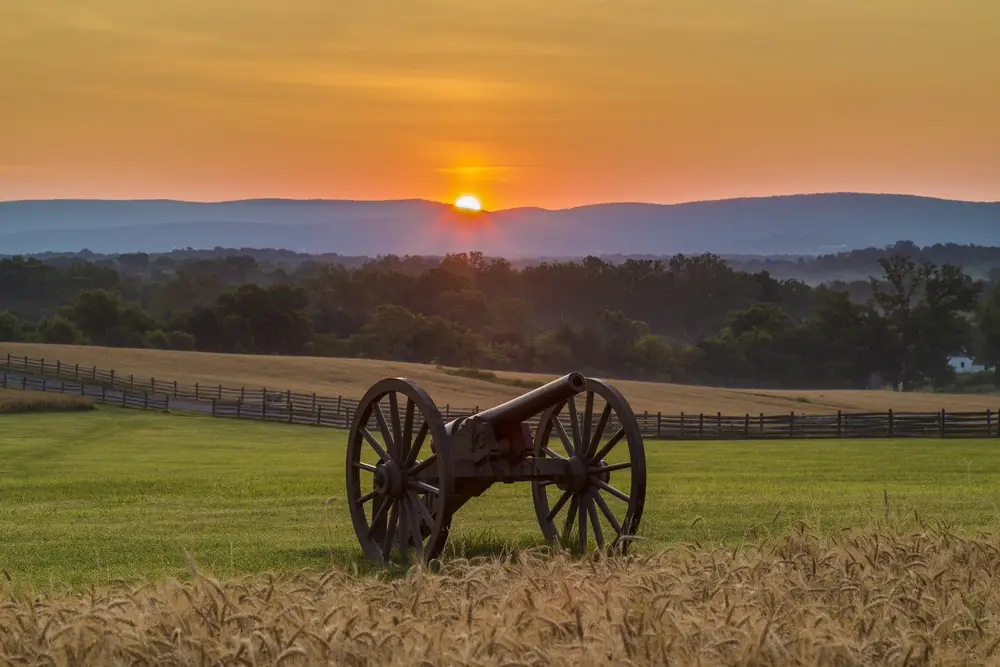
The MABDR proves that incredible overland trails exist beyond the West Coast, stretching 1,080 miles from Damascus, Virginia to Lawrenceville, Pennsylvania. This route excels for trailer use, with BDR officially confirming complete accessibility for SUVs and 4x4s with "no difficult rock climbs or clearance issues."
Historical significance sets this trail apart from western routes. You'll traverse Antietam National Battlefield (shown above), Harper's Ferry, and numerous Civil War sites while enjoying spectacular Appalachian scenery. The route passes through George Washington and Jefferson National Forests, offering abundant dispersed camping opportunities.
Infrastructure advantages make this trail particularly appealing for trailer users. The longest fuel stretch spans only 115 miles, and numerous towns provide resupply opportunities. Penmerryl Farm in Section 3 specifically accommodates "overland vehicle and trailer parking," recognizing the growing backcountry trailer community.
Fall foliage creates spectacular September-October experiences, while mid-May through late fall offers optimal conditions. Summer months can be hot and humid, but numerous B&Bs and inns provide air-conditioned respite if needed.
This trail offers authentic backcountry experiences while maintaining civilized backup options—perfect for eastern off road camper enthusiasts or western adventurers seeking different scenery and cultural experiences.
The Kokopelli Trail delivers classic Southwest scenery across 142 miles from Loma, Colorado to world-famous Moab, Utah. Overland Bound forum members specifically confirm trailer compatibility, making this an excellent choice for XTR-10 owners seeking red rock adventures.
Terrain diversity ranges from 4,000-foot desert elevations to 8,500-foot La Sal Mountain passes. Rose Garden Hill presents the most technical section, but bypass routes accommodate less experienced drivers or those preferring easier paths.
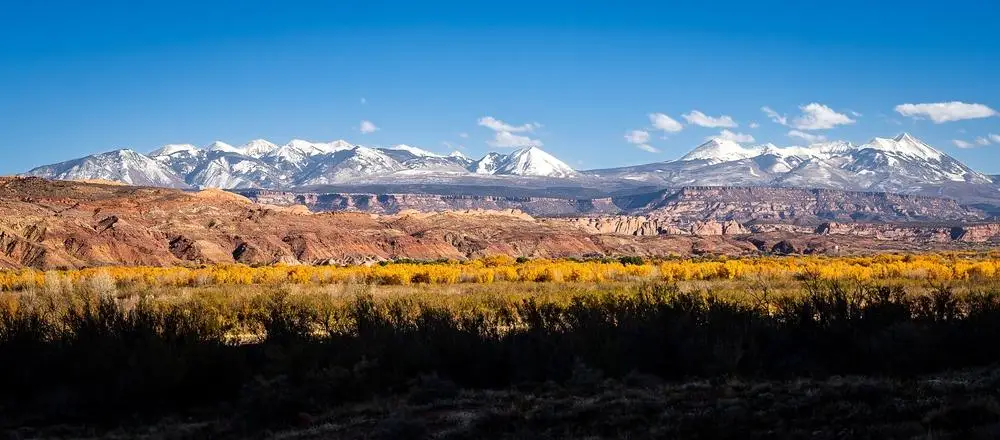
The trail utilizes existing roads rather than single-track paths, maintaining good trailer accessibility.
Water management requires careful planning since no reliable sources exist along the route. Your XTR-10's water capacity becomes essential for the multi-day journey. Eight small camping areas in Utah provide toilets and designated sites, while dispersed camping opportunities abound throughout.
The Moab finale makes this trail particularly appealing. Finishing your overland trailer adventure in America's off-road capital provides access to countless additional trails, professional services, and the legendary overlanding community. Arches and Canyonlands National Parks offer spectacular hiking opportunities after days of challenging driving.
Mid-June through September provides optimal conditions for high-elevation sections, while spring and fall work well for lower desert portions. Avoid monsoon season (July-August) due to flash flood risks in desert washes.
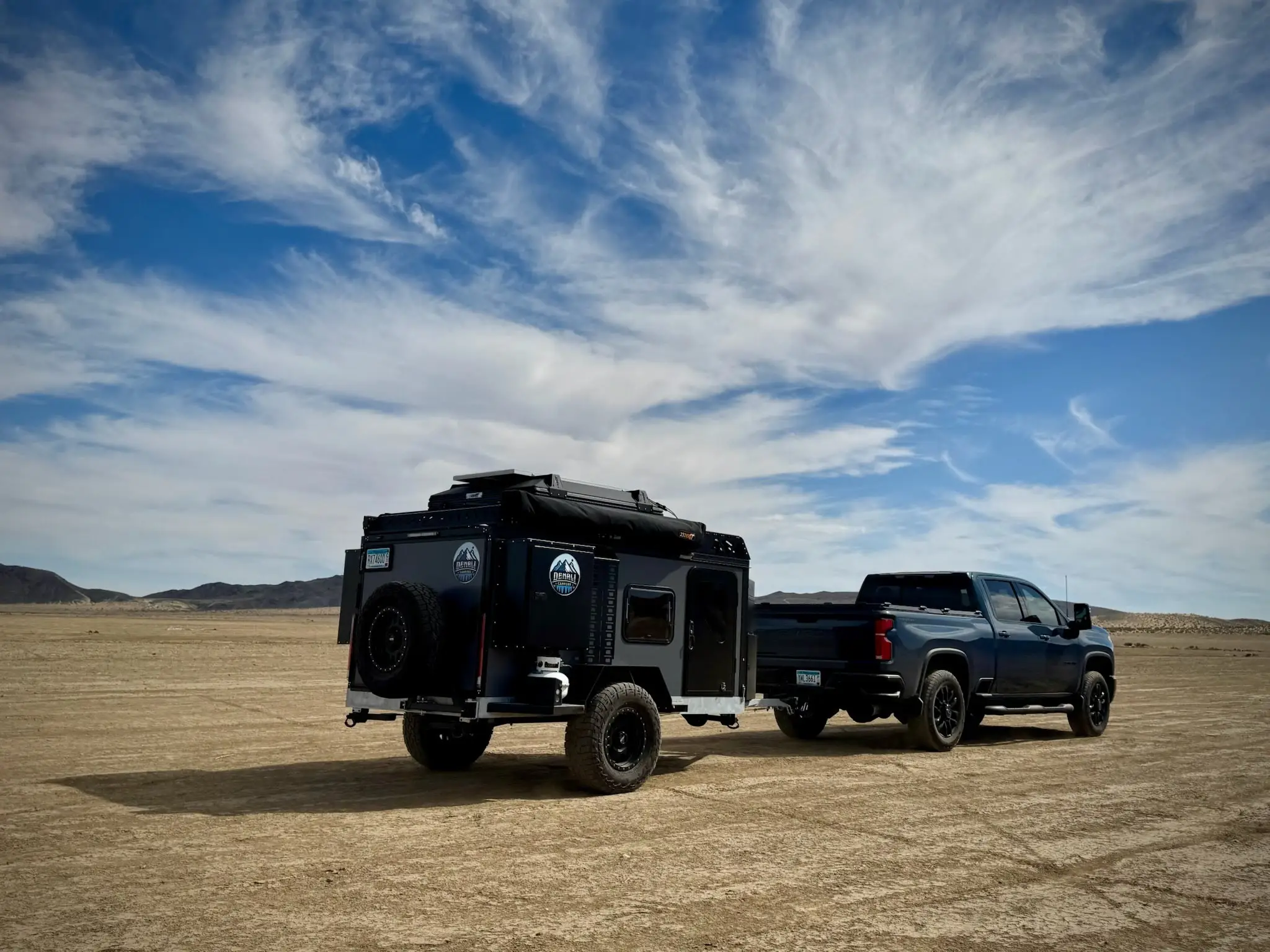
Success with any overland trailer requires different thinking than vehicle-only adventures. Think with "six wheels on the ground" instead of four—each wheel takes a different path through obstacles. Practice modulating brake and throttle simultaneously when crossing uneven terrain, using your XTR-10's electric brakes to maintain control.
Recovery gear becomes more critical with trailer weight and length. Essential equipment includes a winch rated for 12,000+ pounds, traction boards, hi-lift jack with stable base, kinetic recovery rope, and soft shackles. Your XTR-10's 2-inch receiver hitch provides an excellent recovery point when properly equipped.
Route research intensifies for trailer travel. Trailers can't navigate everywhere your tow vehicle can reach, so scout terrain more carefully and plan turnaround spots. Consider unhitching strategies for sections requiring vehicle-only reconnaissance.
Campsite selection requires extra consideration for trailer setup. Look for durable surfaces, adequate maneuvering space, and natural windbreaks. Your XTR-10's leveling systems work best on reasonably flat terrain, so choose wisely to minimize setup complexity.
These seven trails represent America's finest overland trailer destinations, each offering unique challenges and rewards. Whether you choose the historical richness of the MABDR, the mountain grandeur of Colorado BDR, or the technical challenges of White Rim Trail, your XTR-10 stands ready to deliver comfort and capability wherever the trail leads.
The key to successful backcountry trailer adventures lies in matching your experience level to trail difficulty, preparing thoroughly, and respecting both the environment and your equipment's limits. Start with more accessible routes like the TAT or MABDR, build skills and confidence, then progress to advanced challenges like Mojave Road or White Rim Trail.
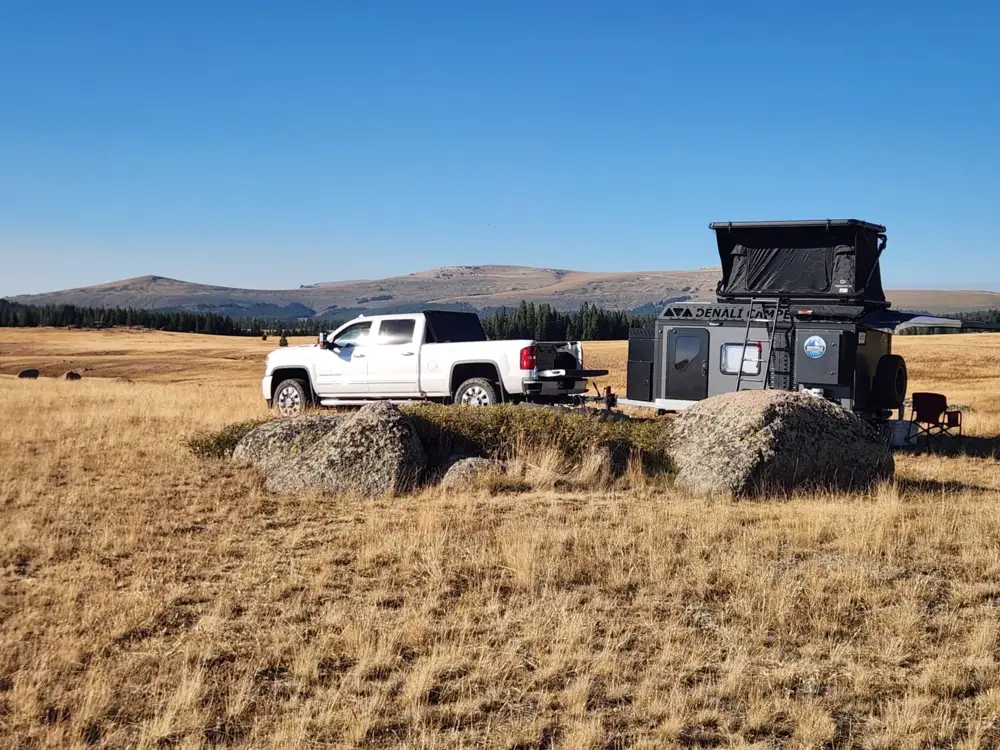
Your off road camper opens doors to experiences impossible with tent camping. Enjoy that comfort while treading lightly in America's most spectacular overland trails!